..

AI Powers cross-border trade as Hangzhou builds digital trade hub
en.hangzhou.com.cn 2026-03-12 12:06 Source: www.ehangzhou.gov.cn
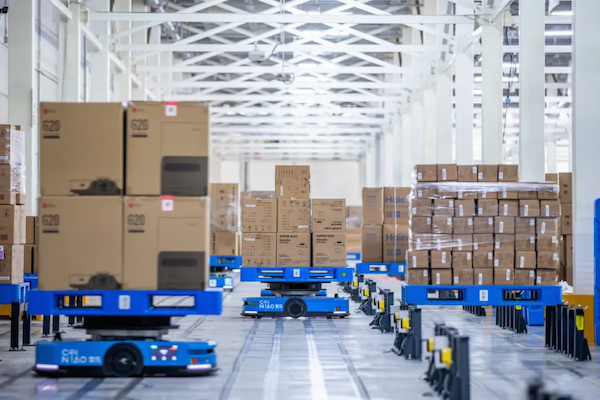
A warehouse for cross-border goods in Hangzhou follows a smart logistics workflow. [Photo/WeChat account: chcecpa]
Driven by China's push for AI integration, Hangzhou is accelerating its transformation into a global hub for AI-powered cross-border trade, local media outlets reported.
As home to the country's first cross-border e-commerce pilot zone, Hangzhou has seen strong growth in digital trade. In 2025, total imports and exports reached 906.95 billion yuan ($131.8 billion), up 6.1 percent year-on-year, with cross-border e-commerce exports hitting 75.87 billion yuan.
Artificial intelligence is reshaping the entire trade chain — from product selection and marketing to logistics and payment — shifting the sector from labor-driven to data-driven operations. Platforms like Alibaba International are embedding AI into product listings, customer service and advertising, enabling SMEs to access global markets more efficiently.
Fintech firms such as Lianlian Digital are also strengthening infrastructure, offering global payment services across over 100 countries and deploying AI-powered risk control and multilingual marketing tools.
Supported by a growing ecosystem that includes companies like PingPong, Hangzhou is advancing AI application scenarios and digital trade platforms. Officials say the city aims to scale up intelligent trade solutions and position itself as a globally influential innovation center for digital commerce.
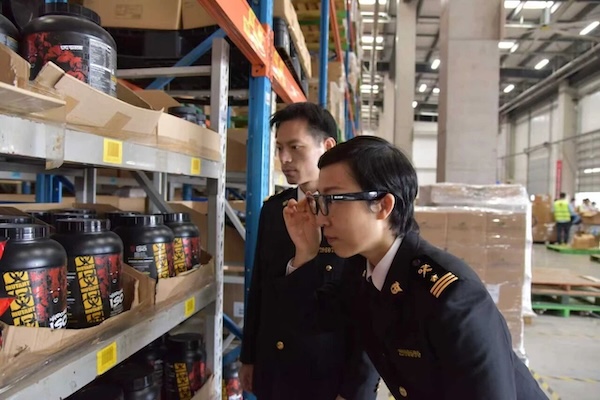
A Hangzhou customs officer inspects goods with AI glasses. [Photo/WeChat account: hzhgfb]
Author: Editor: Ye Lijiao
Back